
FAQs
While proposals are at an early stage, Adlington is currently planned to provide:
-
At least 14,000 tech enabled new homes in a wide mix of tenures within local neighbourhoods around a town centre hub, of which up to 40% will be affordable housing for key workers and other priority housing groups.
-
Extensive, well-integrated commercial spaces including offices, workshops and lab space; local shops; and varied food, beverage and lodging options.
-
Brand new social and transport infrastructure – including new schools and community health centres, expanded bus routes and an upgraded mainline train station that offers easy access to central Manchester.
-
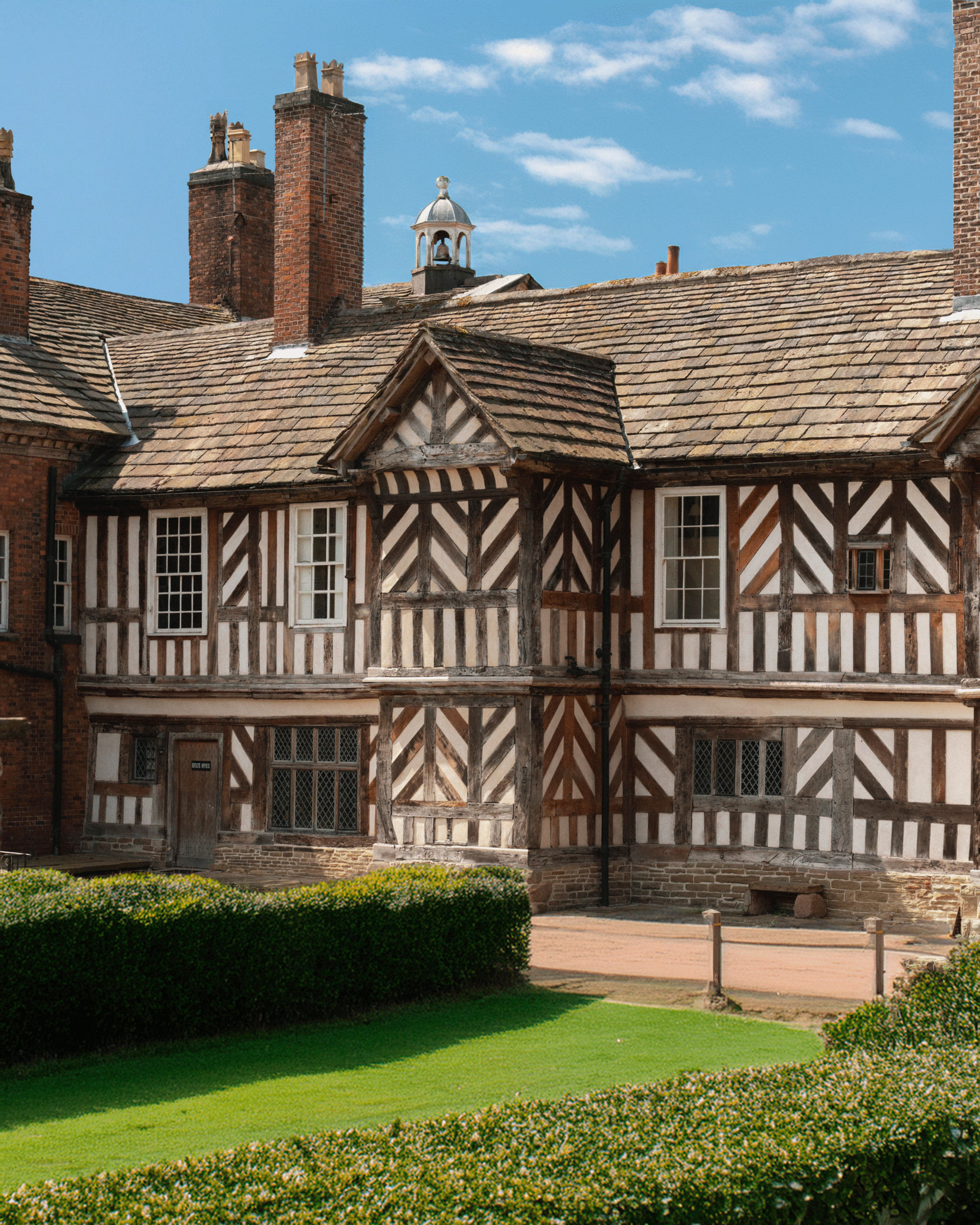
A family-friendly adventure and leisure destination, permanently opening up the historic Adlington Hall and its gardens to the public offering various leisure activities, including a new cultural venue for Cheshire.
-
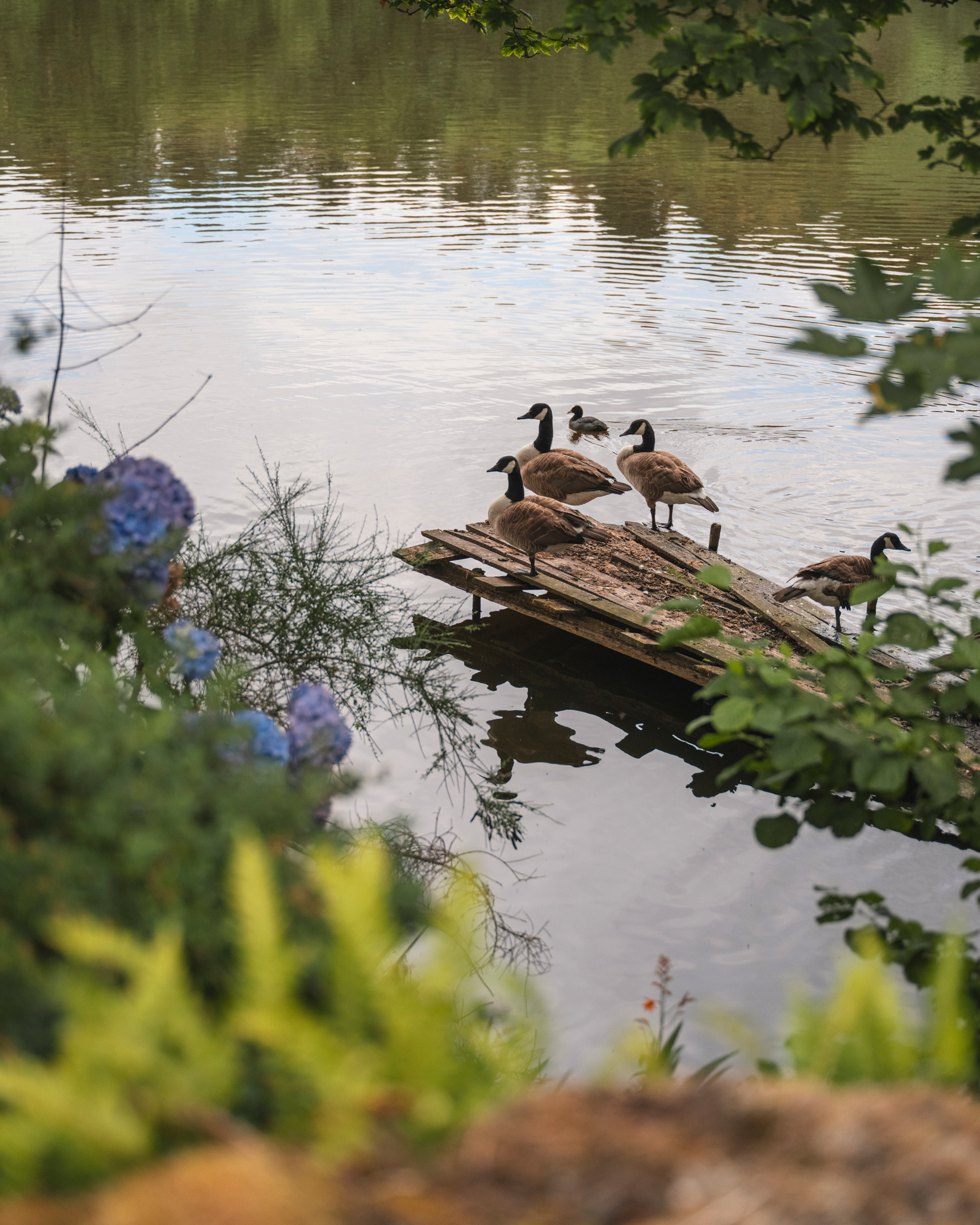
New, publicly accessible green spaces – a network of cycle paths, riverside walks (via new community access to the River Dean), modern sports facilities and an outward bounds hub serving the adjacent Peak District National Park.
-
An expanded Adlington will seek to meld with its environment. It is expected that over 40% of the site will be green or blue (water) space, ensuring this remains a green, welcoming place to live with opportunities to strengthen biodiversity, enhance established woodland and support habitat creation.
Your Questions Answered
Since the announcement by the government that Adlington is being considered as a site for a potential New Town, we have had a number of enquiries from the local community.
While the government is continuing to assess the New Town Taskforce recommendations, we want to share as much information as we have in order to reassure the community that our proposals are for a sensitive, appropriate development that will enhance the local area.
FAQ’s
We have answered the most frequently asked questions below and will keep this updated.
What is the New Towns Programme?
The Government’s New Towns Programme is a national initiative to deliver a new generation of planned communities — creating sustainable towns with homes, jobs, schools, healthcare, infrastructure, and green spaces, inspired by the UK’s proud post-war new towns legacy.
Has Adlington been confirmed as part of the programme?
Adlington has been included by the Government’s New Towns Taskforce as a recommended site. The Government is reviewing the Taskforce’s report.
Why Adlington?
Adlington offers an outstanding location in the county of Cheshire, and close to Greater Manchester, with underutilised mainline rail connections, proximity to the North West’s road and air network, and access to major employers and nationally significant industries. Its situation enables the creation of an expanded standalone community around the historic Adlington Hall and its surrounding environment. It has the potential to become a sustainable “parkland town” that blends nature, heritage and innovation.
Over 100 sites were considered by the New Towns Task Force. Adlington is one of 12 identified in the initial sift. Of the 12 identified sites, given its location and characteristics, Adlington is among the sites that will require the least Government financial support in its delivery, while generating accommodation, employment and growth for future generations.
Who is behind the proposals?
The project is being led by Belport, an experienced UK-based investment and asset management company, with Revcap as capital and delivery partner, alongside a specialist team of experienced master-planners, designers and infrastructure experts.
Who owns the land?
The majority of the Adlington site is owned by a joint venture between Belport and Revcap. This ownership structure means decisions can be made efficiently, enabling stable long-term management and stewardship.
What is being proposed?
A parkland new town of at least 14,000 homes built around walkable neighbourhoods, the historic Adlington Hall, and the River Dean. It will combine modern homes with nature, heritage and wellbeing spaces. This will not be a town of tower blocks, instead we are exploring family homes in a range of low to medium densities, along with greater density in a future town centre, with some low-to-medium rise apartments and town houses.
Will existing Adlington residents have to move?
Integration of the existing village is planned, with development taking place on land surrounding the village.
What happens to tenant farmers?
Engagement with tenant farmers is a priority. We will communicate with them around future implications.
Are you knocking down Adlington Hall and/or building on the historic parkland?
Adlington Hall and its historic grounds will be preserved, enhanced, and opened up to the public. The historic gardens, parkland and woodland are integral features of the new town vision.
Why are you getting rid of open and green space?
Approximately 40% of the area will be publicly accessible green or blue (water based) space – including parkland, woodland trails, river and riverside walks, sports pitches, and nature areas. Strengthening biodiversity and habitat creation will be guiding principles.
How much of the housing will be affordable?
Up to 40% of all homes will be affordable – including Shared Ownership, Discounted Market Rent, Social Rent, and homes for key workers.
What other new facilities will be provided?
Plans include several new schools, health centres, community space, local shops, sports and leisure facilities, and a new skills campus linked to employment and training.
Will infrastructure come before the houses?
Yes – the masterplan will ensure key transport and social infrastructure is delivered in phases alongside homes, so new services grow with the community.
How will transport be improved?
Adlington’s rail station will be upgraded, new bus routes added, and safe cycling and walking paths created throughout the town. There will also be mobility hubs to make getting around easier without a car. Key roads, including the A523, will be upgraded.
Will there be new jobs?
Yes – thousands of jobs will be created on-site in offices, labs, schools, healthcare, retail and leisure, with more through construction and local supply chains.
Adlington aims to support growth in Life Sciences, Clean Energy, Professional Services, Creative Industries, and Agri-Tech, linking to major regional employers and the Cheshire Science Corridor.
Why hasn’t the community been consulted?
The New Town Taskforce has run a comprehensive process to identify possible sites for the new towns across the country. As part of this, it has not been possible to engage while Government decision-making has been ongoing. Going forward, we intend to work closely with stakeholders, through public consultations, surveys, and online engagement.
Will this be a sustainable and climate-ready development?
Adlington will use low-carbon construction and design highly energy-efficient buildings linked to renewable energy sources as a key step in achieving sustainability. Green corridors, rewilded waterways, and biodiversity zones will help create a climate-resilient town.
When Belport purchased the land, did you always intend to build a new town here?
Belport bought Adlington Hall in 2023 as a long-term investment. The New Towns programme was not announced until the advent of the Labour Government in July 2024. We had no idea that there would be an opportunity to be part of such a programme when we bought the land.
What is the approximate timeline for delivery?
- Government decision: Early-mid 2026
- Development Corporation established: 2026-27
- First planning application: 2026-27
- Commencement on site: 2027
This site is zoned as green belt so how can you deliver a new town here?
We understand that green belt protection is an important local concern. The Government’s New Towns Programme is designed to identify exceptional locations where large-scale, planned development can address urgent housing and economic needs while still enhancing the surrounding environment.
Our assessments highlight that, while the site is currently designated as green belt, the green belt does not perform strongly in accordance with national guidance and a large proportion of the site constitutes ‘Grey Belt’, which is suitable for development when there is an identified need for housing. The site is also primarily within agricultural land classification Grade 3 and parts of it do not comprise the best and most productive agricultural land in national terms.
Our proposals will retain as much as 40% of the area as open space and we are committed to retaining all the ancient woodland and locally protected landscape.
The site adjoins the large Woodford Garden Village development in Stockport Council’s area so wouldn’t development here be an incursion of the Greater Manchester conurbation into Cheshire?
There is a substantial buffer between our site and the Woodford Garden Village development.
Under our plans, Adlington would remain a distinctly Cheshire place, separated from Greater Manchester by parkland, rivers, and woodland corridors. The masterplan retains strong landscape buffers to protect the area’s rural setting and create a clear transition between urban and countryside.
Rather than an urban extension of Stockport, Adlington is envisioned as a new northern community surrounded by historic parkland – an exemplar of design rooted in local character and heritage. It will be planned as a self-contained, sustainable settlement with its own town centre, schools, health facilities, and employment space.
Won’t development here lead to a major loss of agricultural production?
The site is primarily within agricultural land classification Grade 3 and parts of it do not comprise the best and most productive agricultural land in national terms.
Large areas of the site will remain green and parts of the land will remain in agricultural use.
How do you plan to manage increases in traffic on already busy roads like London Road (A523)? Won’t this also lead to increased air pollution?
Adlington’s location on the A523 corridor and next to an existing mainline railway station makes it one of the most accessible and sustainable locations in the region for new homes and jobs. The masterplan is built around a multi-modal transport network, including an upgraded train station, road improvements, new bus interchange, and safe walking and cycling routes linking every neighbourhood.
These improvements will reduce reliance on private cars and promote clean, active travel. However, a priority will be major investment in the road network to support increased traffic capacity.
The project also includes electric vehicle charging hubs and consolidation centres to manage deliveries and cut local emissions.
Won’t this development lead to a loss of biodiversity and be a threat to rare and protected species?
Around 40% of the site will remain as open space — from rewilded areas along the River Dean to new woodland trails, parkland paths, and nature corridors.
Rather than diminishing biodiversity, the proposals aim to enhance it – in line with planning guidance which requires a Biodiversity Net Gain from developments of this size. Ecological assessments will guide habitat creation and species protection, with opportunities for rewilding, and enhancing wetland.
Is there sufficient public transport to support this development as the area is not well served by bus routes and the train services are also infrequent?
The proposals include major investment in public transport. Adlington’s existing mainline station offers direct services to Manchester and Macclesfield in under 30 minutes, with potential for more frequent trains as demand increases. We are well aware that the train service will need investment and expansion, and this is a major benefit of the proposals.
A new bus network and interchange will connect neighbourhoods across the town and to nearby centres such as Macclesfield, Stockport, and Manchester Airport. Mobility hubs will provide shared transport options, cycle hire, and real-time journey planning — ensuring sustainable, connected travel for residents from day one.
What thinking has there been about managing flood risk?
Water management is at the heart of the masterplan. The River Dean corridor will be rewilded to create new wetlands, that control and store surface water naturally.
This “blue-green” infrastructure approach not only improves flood resilience but also enhances biodiversity and access to nature. Sustainable drainage systems (SuDS) will be built into every neighbourhood, ensuring water is managed safely and sustainably across the town.
Won’t this development put pressure on already struggling public services like GP surgeries, dentists, and schools?
Adlington will include new schools, health centres, and community facilities designed to serve both new and existing residents.
Plans include new primary schools, secondary schools, and health centres, each delivered in line with population growth so that facilities are in place as homes are built. The town will also feature community halls, sports hubs, and cultural venues, ensuring essential services grow alongside the community rather than being added later.
We want to hear from the community what facilities and services are under the most strain so that we can look to include these in the new town, meeting existing residents’ needs as well as new ones.
Is the New Town Taskforce advocating that planning powers be taken away from local representatives?
No. The Government’s New Towns Programme aims to establish clear and accountable delivery arrangements that allow major projects to be planned and managed efficiently, but local involvement remains essential.
If Adlington proceeds, a New Town Development Corporation (NTDC) would likely be created, involving Homes England, Government, and local representatives to coordinate planning and delivery. This structure ensures the town can be delivered effectively while continuing to work in partnership with Cheshire East Council and elected councillors to reflect local priorities and values.
How can I stay informed or get in touch?
You can contact the team at adlington@cratus.co.uk. We will also share updates, consultation details, and news about events and opportunities to get involved on this website.
